Understanding Roof Damage Austin Homeowners Face After Severe Weather
Living in Austin means you get used to unpredictable weather. One afternoon the sky is clear and hot, and a few hours later a front rolls in with wind gusts that rattle every window. I have seen what that does to roofs across this city, and it is never just one thing. Roof damage Austin residents deal with comes in many forms, and catching it early is the only way to keep a small problem from turning into a major expense.
After a storm passes, most people walk outside to check for fallen branches or debris in the yard. They forget to look up. That is understandable - the roof is out of sight and out of mind. But those same storms often leave behind hidden issues that only show up weeks later when a ceiling stain appears or a draft starts coming through the attic. By then the damage has already spread, and what could have been a simple repair turns into a full section replacement.
Common Types of Storm Damage in Austin
Texas weather is famous for its intensity, and Austin gets hit with a mix of hail, wind, and heavy rain that can stress any roofing system. Hail damage is one of the most visible problems. Even small hailstones can knock granules off asphalt shingles, leaving bare spots that accelerate aging. Larger hail can crack or puncture shingles entirely, creating direct paths for water to enter the home. I have inspected roofs where a single hailstorm reduced a ten-year-old roof to a state that looked twice its age.
Wind damage is equally common. Strong gusts can lift the edges of shingles or metal panels, breaking the seal that keeps water out. Once that seal is broken, wind-driven rain pushes moisture under the roofing materials and into the underlayment. Over time, that moisture leads to rot, mold, and decking failure. Flat roof systems are especially vulnerable because water pools rather than runs off, and any breach in the membrane quickly becomes a leak that affects the entire structure.

Why a Roof Inspection Matters After Every Storm
I cannot overstate the value of a thorough roof inspection after significant weather. Many homeowners assume that if they do not see water inside, there is no problem. That assumption is risky. A roof leak can travel along rafters or insulation for several feet before it finally shows on a ceiling. By the time you see that stain, the moisture has already damaged framing, insulation, and possibly electrical components in the attic.
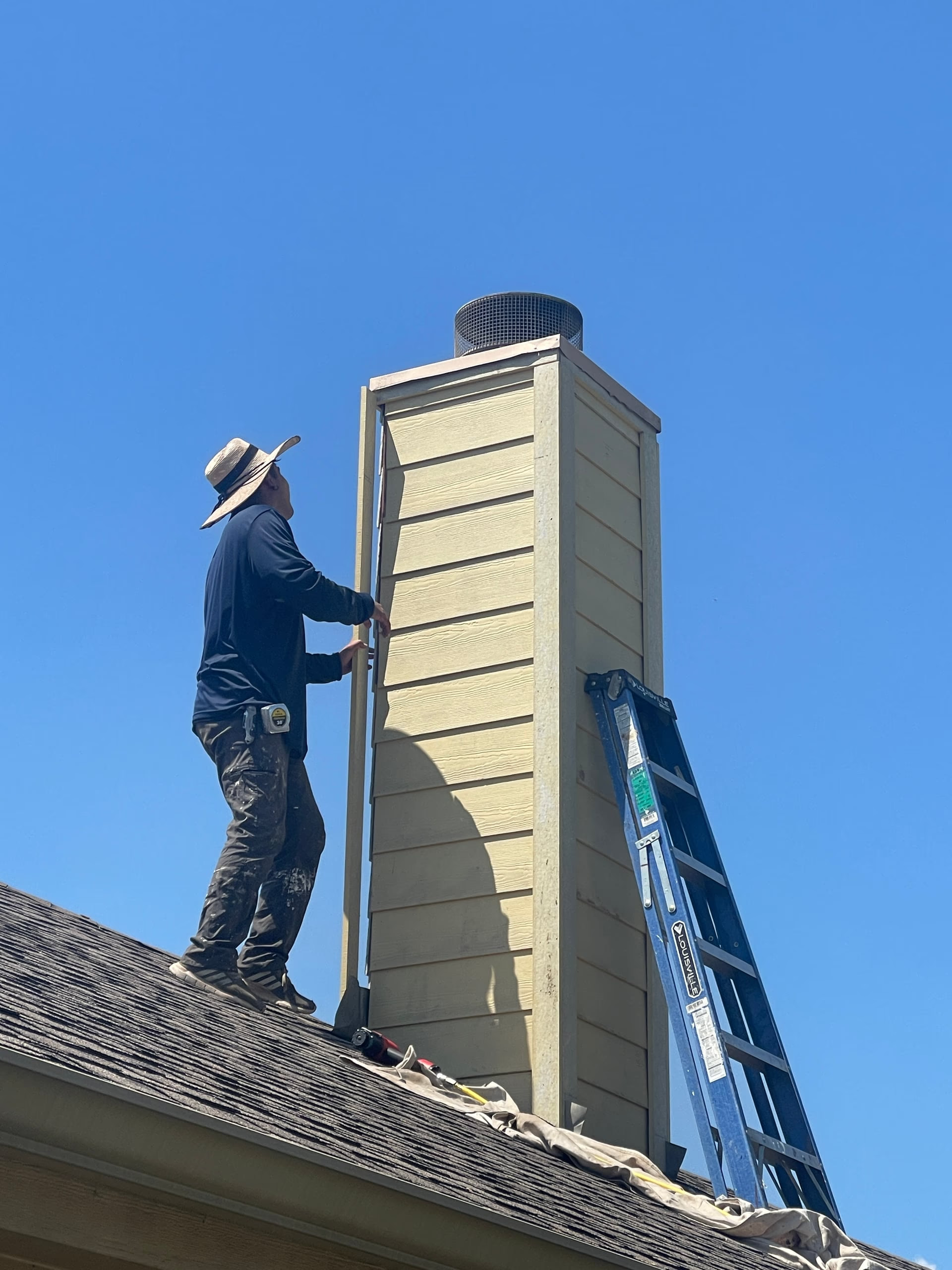
A professional roof inspection catches these hidden issues. An experienced roofer knows where to look for compromised flashing, lifted shingles, or small punctures that are invisible from the ground. They will check the valleys where two roof planes meet, the areas around chimneys and vents, and the edges where the roof meets the gutter. These are the spots where storm damage often first appears.
When you schedule a roof inspection, a good contractor will also give you a roofing estimate that breaks down what needs to be fixed and what can wait. That estimate should be clear and detailed, not a vague number. In Austin, many reputable companies offer a free evaluation precisely because they know that catching damage early saves everyone time and money. A free evaluation lets you understand the scope of the work without any pressure to proceed.
Leak Repair and Shingle Replacement: When to Act
If you have a roof leak, do not put off the repair. Water intrusion does not stop on its own. It spreads. A small leak around a vent pipe can saturate the surrounding decking within a single rainy season. If the decking rots, you are no longer looking at a simple leak repair; you are looking at replacing a section of the roof structure itself. That is a much larger job and a much larger bill.
Shingle replacement is one of the most common fixes after a storm. When a few shingles are cracked or missing, replacing just those affected areas is straightforward and cost-effective. The key is matching the new shingles to the existing ones in color, size, and profile. A mismatch might seem minor, but it affects the look of the whole home and can even void the roof warranty if the installer does not follow the manufacturer's guidelines. Always ask the roofing contractor about warranty terms before work begins. Honest pricing includes clarity about what is covered and what is not.
Metal Roofing and Flat Roof Considerations
Metal roofing is popular in Austin for its durability and resistance to fire, but it has its own vulnerabilities in storms. Hail can dent metal panels, and although the dents may not cause immediate leaks, they weaken the panel over time. More importantly, the fasteners that hold metal roofing in place can loosen with repeated wind stress. A loose panel can catch wind like a sail and peel away entirely. Regular inspections are especially important for metal roofs because small fastener issues are hard to spot from below.
Flat roofs require a different approach. Most residential flat roofs in Austin use a membrane system that relies on continuous waterproofing. Any cut, tear, or seam separation becomes a direct entry point for water. Because flat roofs drain slowly, standing water after a storm puts constant pressure on the membrane. A roof inspection for a flat roof should always include checking the drainage system and looking for ponding areas that indicate low spots in the roofing structure.
Navigating Insurance Claims for Storm Damage
Filing an insurance claim for storm damage feels overwhelming, but it does not have to be. The first step is documentation. Take photos of any visible damage from the ground, and save samples of hail or debris if possible. Then call a roofing contractor to perform a detailed inspection. Their written report and estimate become the evidence you need for the insurance adjuster. Many contractors in Austin are experienced working with insurance companies and can help you understand what your policy covers. They can also point out damage you might have missed, which strengthens your claim.
One thing I always tell homeowners: do not attempt temporary repairs that might hide the full extent of the damage. Insurance adjusters need to see the damage as it is. Covering a hole with a tarp is fine for emergency protection, but do not seal things up permanently until the adjuster has had a chance to inspect. Also keep in mind that most policies have a time limit for filing claims after a storm. Acting quickly matters.
Choosing the Right Roofing Contractor
Not all roofing contractors are the same. Some specialize in asphalt shingles, others in metal roofing, and others in flat roof systems. When you need work done after storm damage, look for a contractor who has specific experience with the type of roofing material on your home. Ask for references, check their license and insurance, and read reviews from other Austin homeowners. Honest pricing means the contractor provides a written estimate that lists all materials and labor, with no hidden fees. A free evaluation is a good sign because it shows the contractor is confident in their work and wants you to understand the problem before committing.
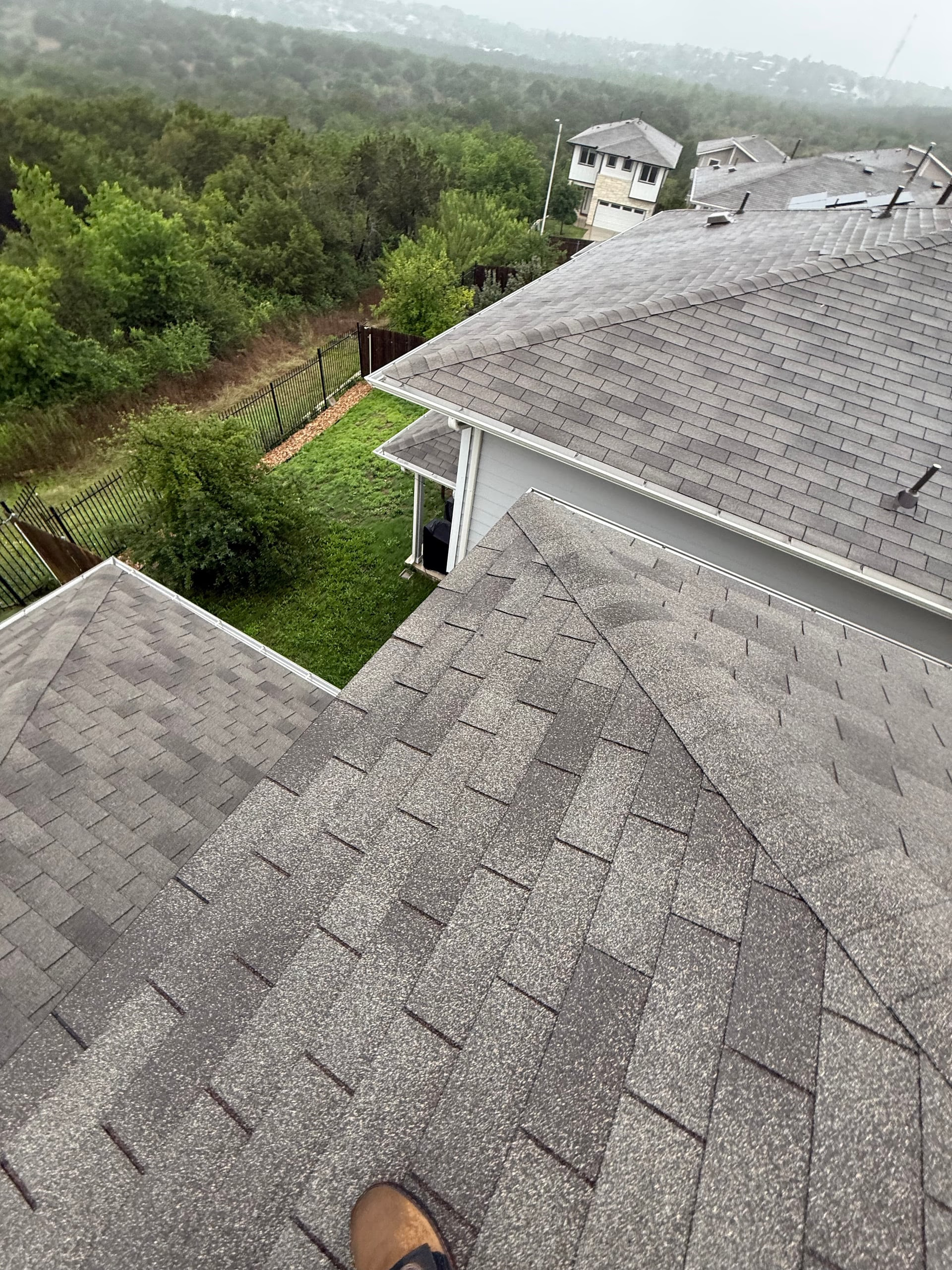
Roof damage Austin residents see after severe weather is rarely as simple as it looks from the ground. That is why a professional roof inspection is worth the time. It gives you a clear picture of what is actually happening up there, and it lets you make informed decisions about repairs, replacements, and insurance claims. Whether you are dealing with hail damage, wind damage, or a slow roof leak that has finally made itself known, the right response starts with looking closely at what the storm left behind.
Your roof is the one part of your home that takes the full force of Texas weather year after year. Treating it with the same attention you give your foundation or your plumbing is not overkill. It is common sense. A little proactive care after every storm saves thousands of dollars and a lot of stress down the road.